Documented story
Heinrich Steinmeyer
1924–2014
A former prisoner at Cultybraggan who returned to Comrie and later left his estate for the benefit of older people in the village.
Timeline
A documented chronology
- 1924
Born.
- 1944
Held as a prisoner of war at Cultybraggan Camp.
- Post-war
Returned to Comrie and maintained friendships in the village.
- 14 Feb 2014
Died, having named CDT to receive his estate for the benefit of older people in Comrie.
- 1 Jul 2016
CDT received €457,180 (£386,627) into a restricted account.
- 2017
An interim committee and public consultation considered priorities and governance for the legacy.
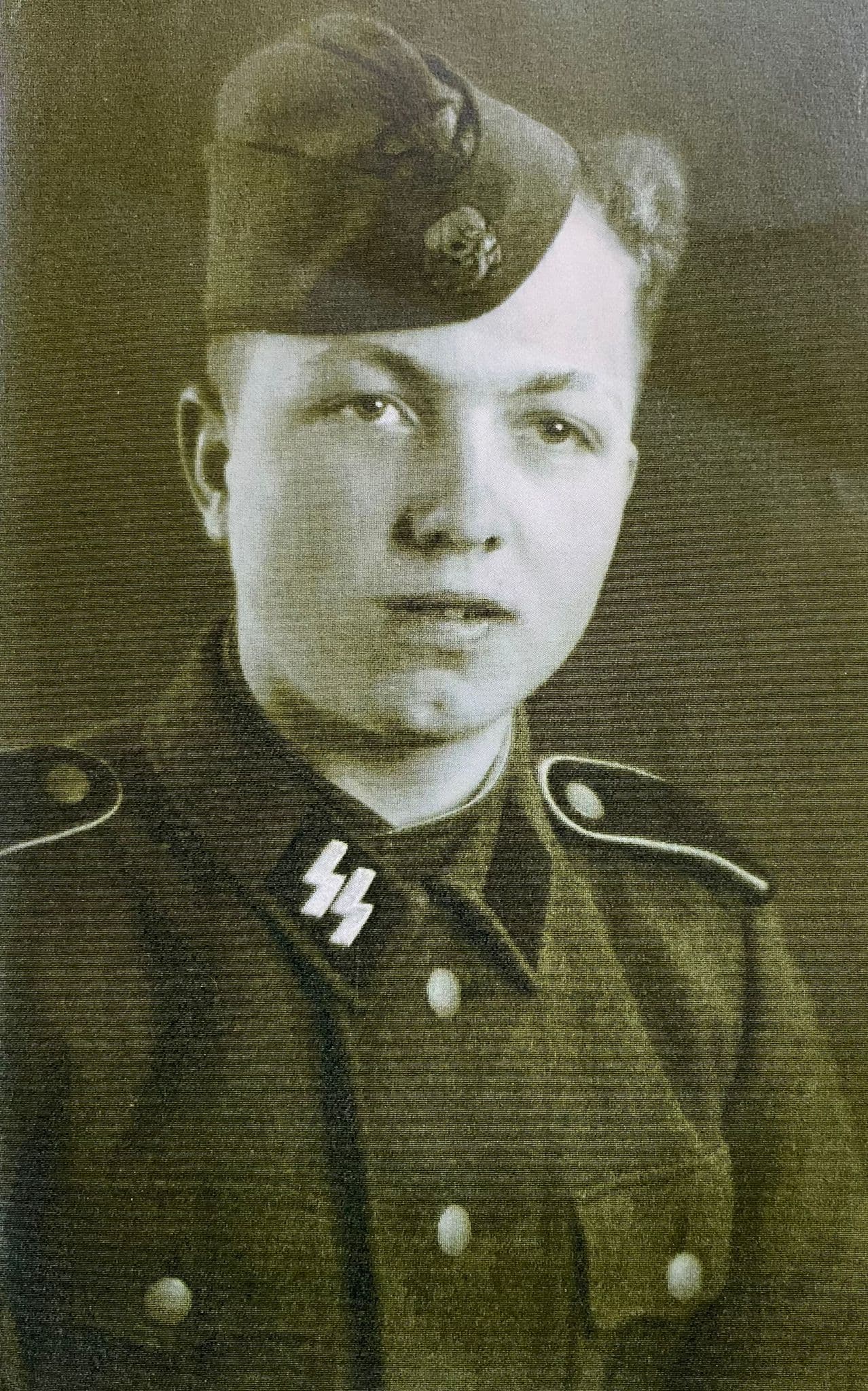
Cultybraggan Camp · 1944
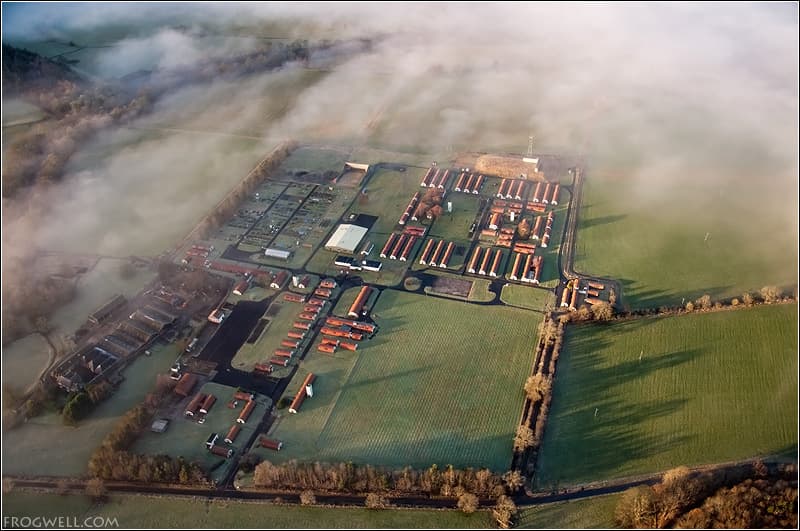
A prisoner at Camp 21
“Everything I owned will be sold and given to the people of Comrie because the Scots treated me as a human being.”
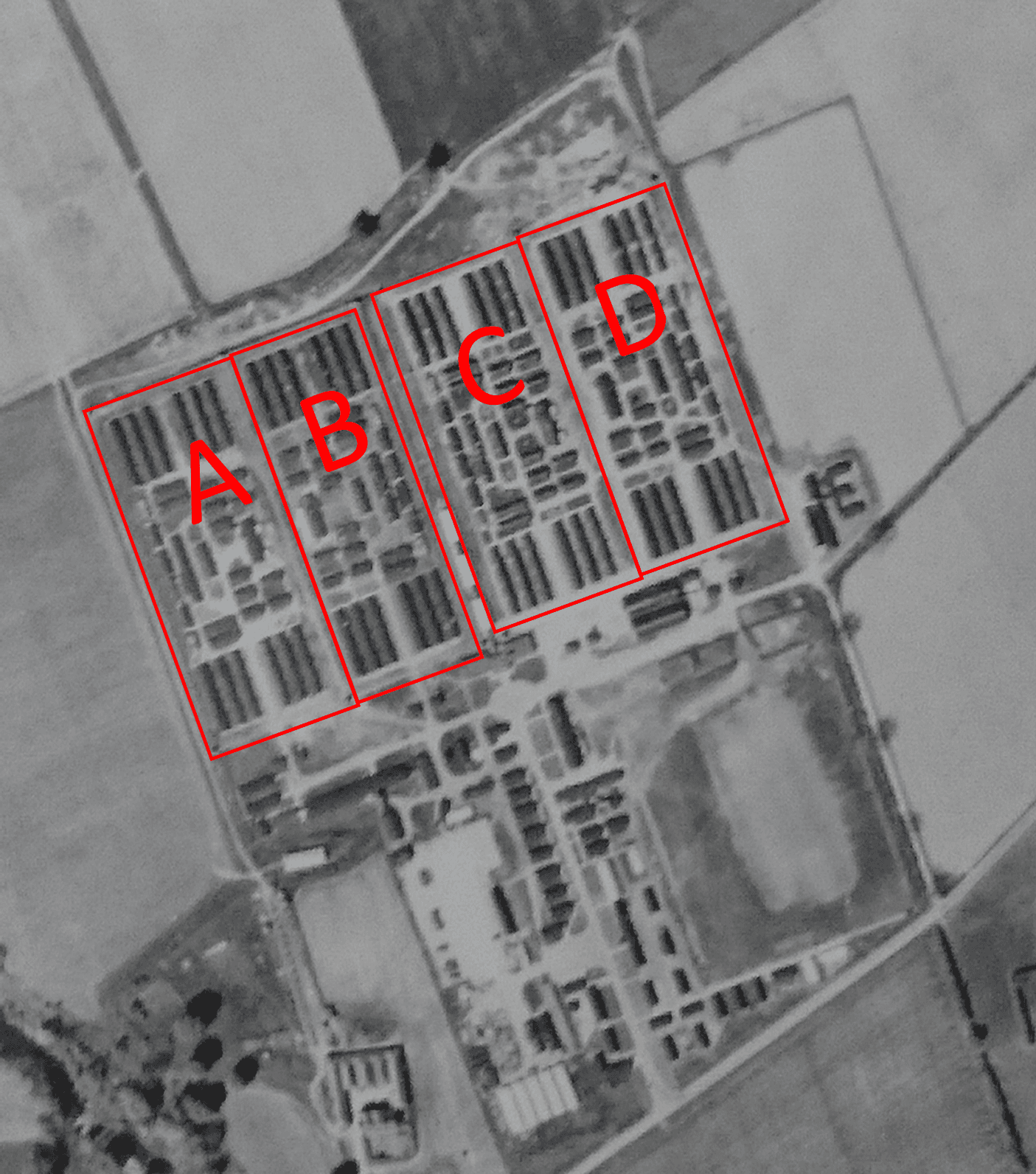
Heinrich Steinmeyer was a German prisoner of war at Cultybraggan. Comrie Development Trust's records describe the kindness he experienced in Scotland and the friendships he maintained after the war.
The Museum presents his story as one individual connection within the wider history of the camp. It does not erase his service in the Waffen-SS or treat one experience as representative of every prisoner or resident.
After the war
A continuing connection with Comrie
CDT's Trustees’ Report records that Steinmeyer returned to Comrie after the war and formed lasting friendships in the village.
Those later relationships are essential context for the legacy. Claims about his private life beyond the documentary record should be treated cautiously and sourced before publication.
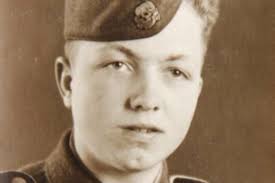
The legacy · 2016
A restricted legacy for older people
“Everything I owned will be sold and given to the people of Comrie because the Scots treated me as a human being.”
Steinmeyer died in February 2014. His will named Comrie Development Trust as the recipient of his wealth and property for the benefit of older people in Comrie.
CDT received €457,180 — £386,627 at the time — on 1 July 2016. The money was placed in a separate restricted account while the community considered how it should be managed and used.
£386,627
Received by CDT
1 July 2016
Transfer date
Restricted
For older people
Community decisions · 2017 onward
From bequest to local stewardship
In 2017 an interim committee and public consultation considered priorities for the legacy. Meeting records show discussion of support, mobility, social spaces, grants and long-term stewardship.
The documentary record matters because the legacy was restricted. Museum interpretation should distinguish Steinmeyer's stated purpose, CDT's temporary administrative role and later community decisions.
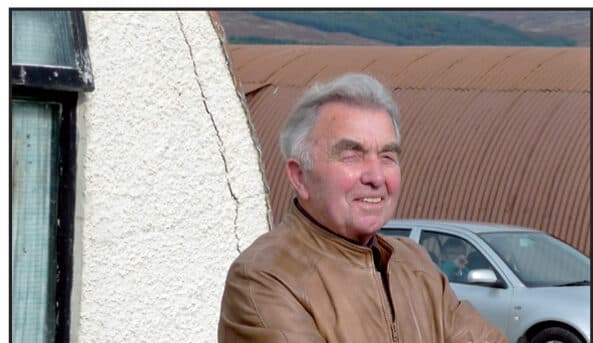
Sources used for this account
The core facts on this page come from CDT's 2015 board record, Trustees’ Report for the year ended 31 March 2017, and the published 2017 interim committee minutes. Further personal detail should be added only with a cited collection or archival source.
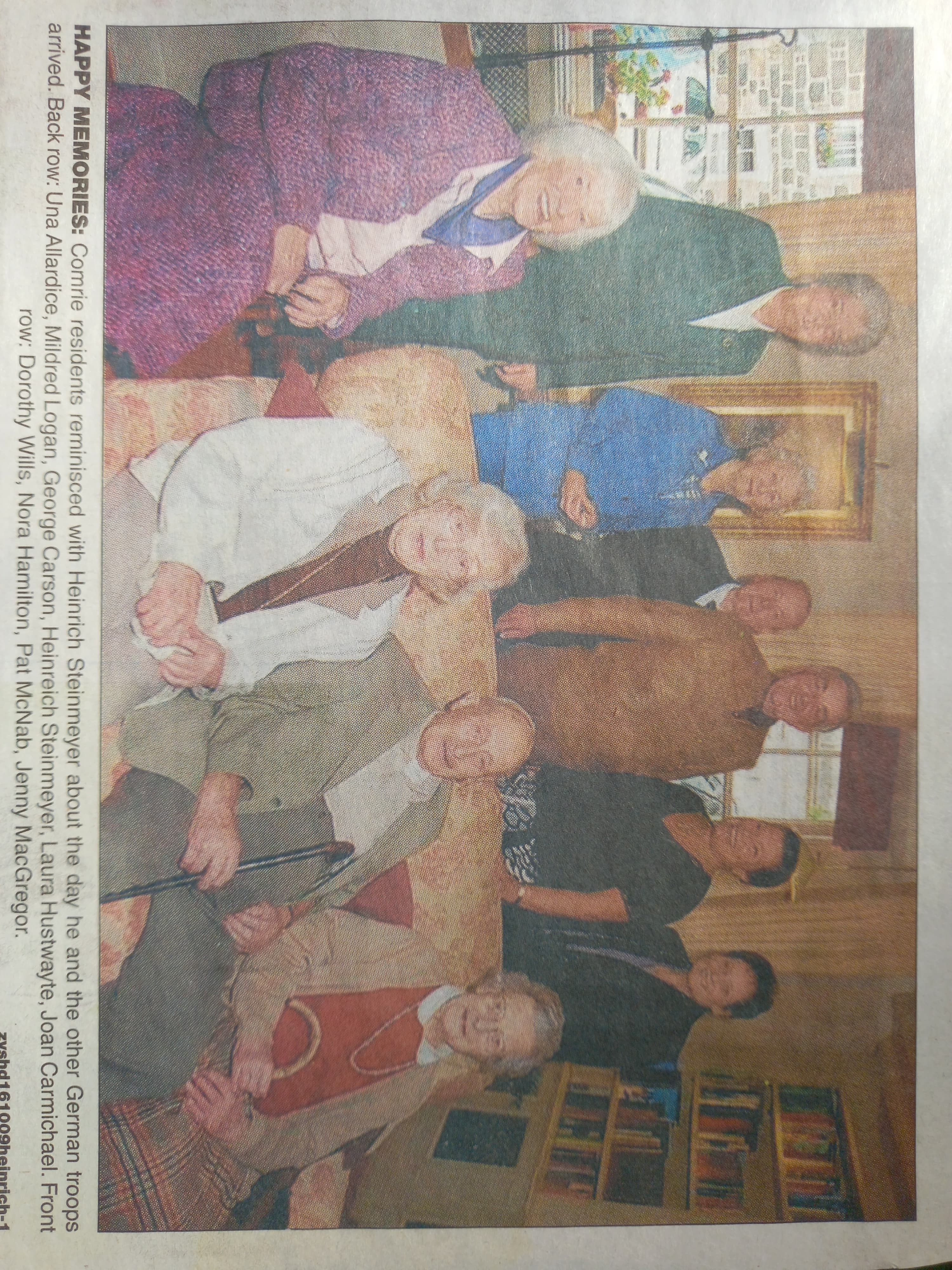



The Steinmeyer account is part of Comrie Museum's interpretation of Cultybraggan Camp and its connections with the village.