1941–1947
Prisoner-of-war camp
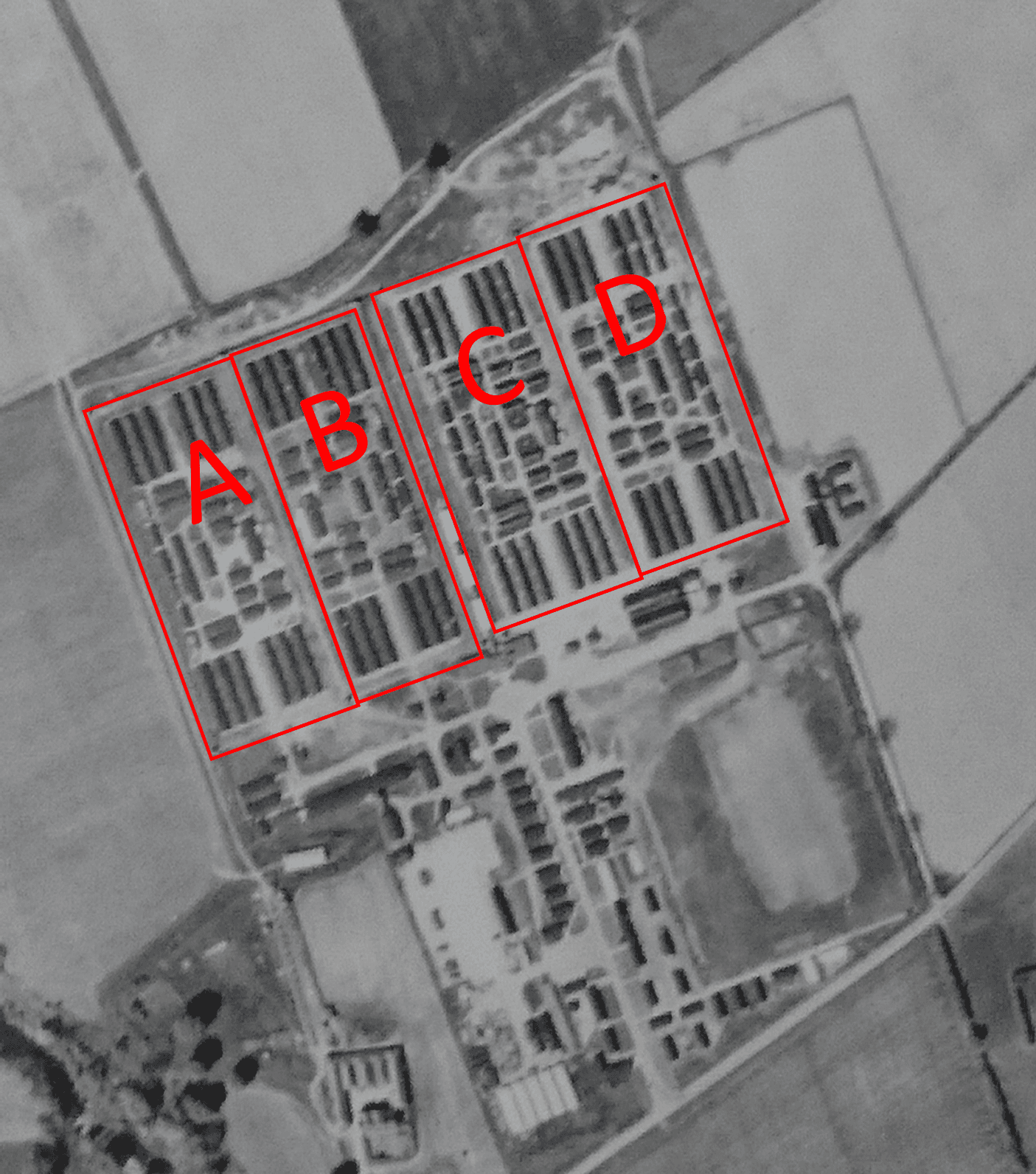
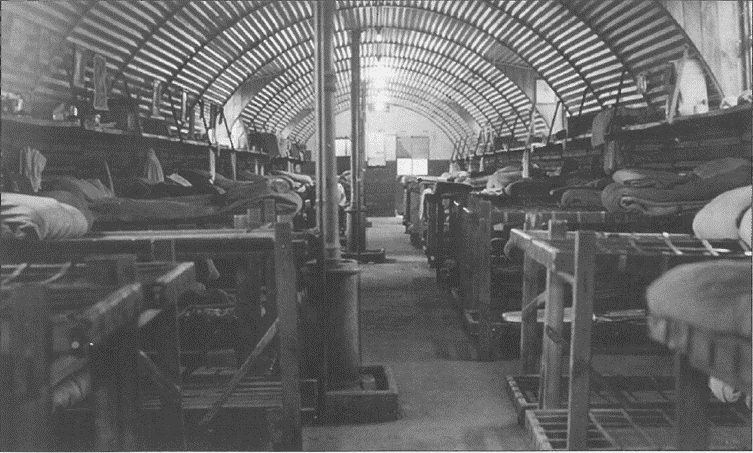
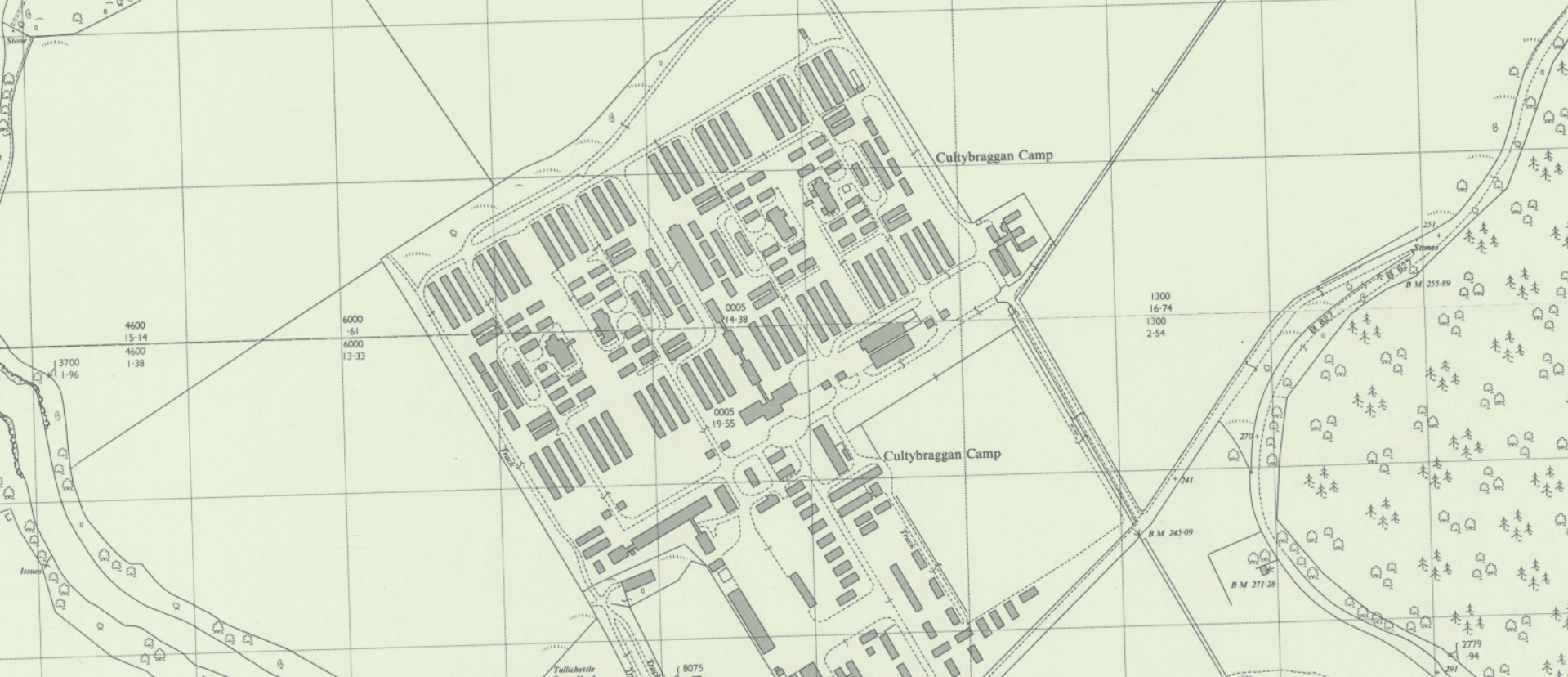
Built as a purpose-designed prisoner-of-war camp, Cultybraggan held 3,988 prisoners on 25 December 1944. A high proportion were classified as “black” prisoners. 90 Nissen huts now remain across the site.
The people, structures and records that connect the site's different uses.
Cultybraggan was under construction in 1941 as a purpose-built prisoner-of-war camp. By May 1944 it was being used as a transit camp for German prisoners. A Red Cross inspection recorded 785 prisoners and a capacity of 4,500.
By 25 December 1944, 3,988 prisoners were held at the camp. A high proportion were classified as “black”: committed Nazis or men considered likely to cause trouble. That month Wolfgang Rosterg, a prisoner known to hold anti-Nazi views, was murdered by fellow prisoners. Five men were later convicted and executed.
The prisoner-of-war camp closed around May 1947. The site continued in military use as a training camp until 2004. Surviving huts, the secure accommodation block, plans, photographs and personal records provide evidence of those different periods.
In 2007 the community of Comrie bought the 90-acre former military camp. The museum now interprets its history on the site where it happened.
Built as a purpose-designed prisoner-of-war camp, Cultybraggan held 3,988 prisoners on 25 December 1944. A high proportion were classified as “black” prisoners. 90 Nissen huts now remain across the site.
After the prisoner-of-war camp closed, the site continued as a military training camp. Later additions included training facilities and civil-defence infrastructure.
On 20 September 2007, Comrie Development Trust completed the £350,000 purchase of the 90-acre former military camp after a community ballot returned 97% support.
The site now includes the Museum, self-catering huts, community facilities, businesses and working groups. The surviving structures remain part of the historical evidence.
Then and now
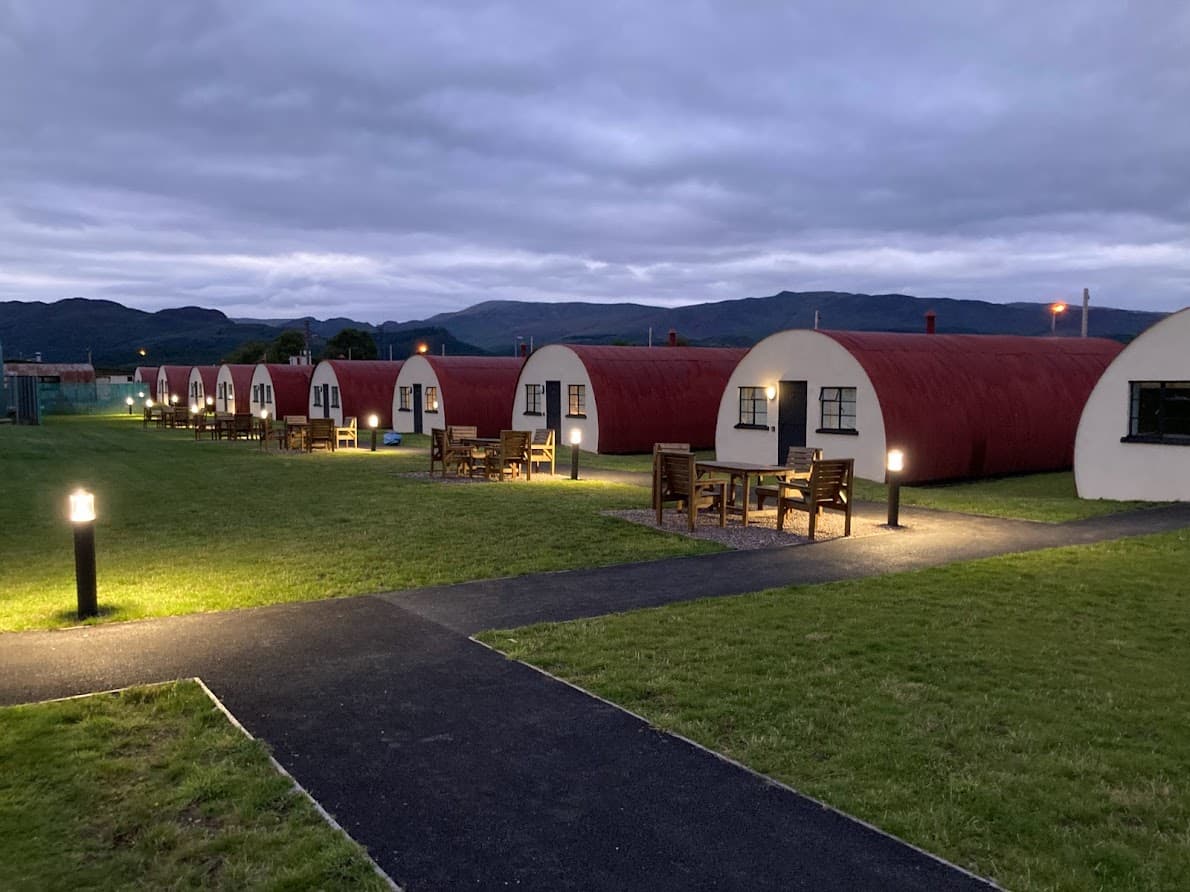
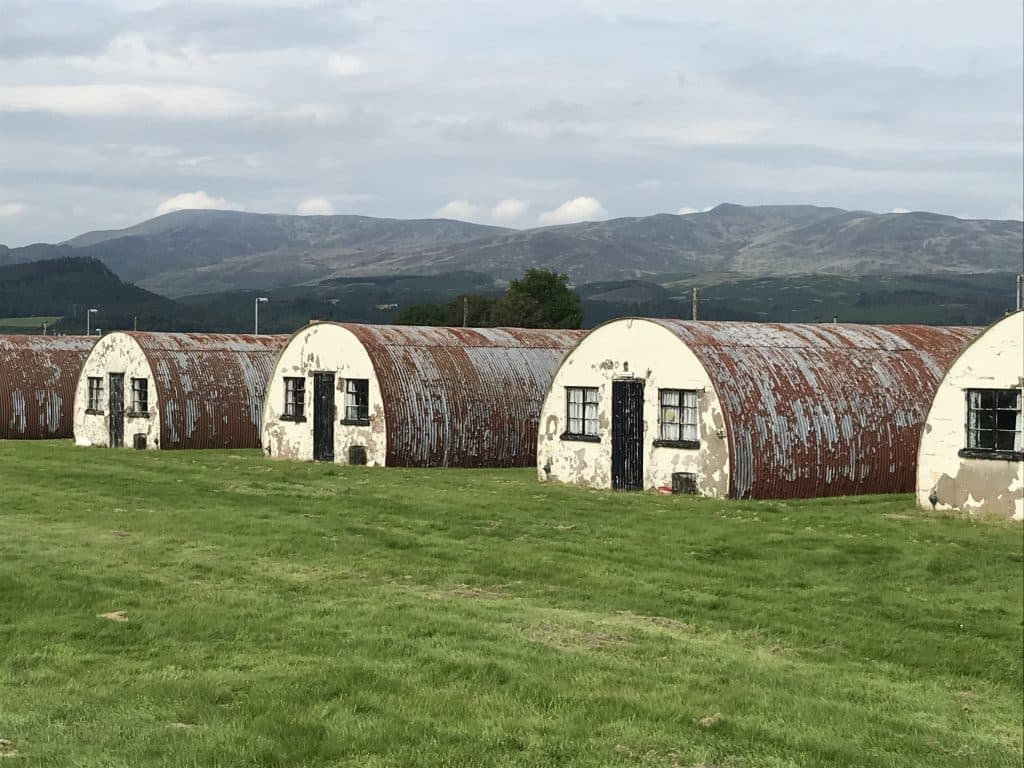
Surviving military structures and a hut adapted for current use.
The Wartime Years — 1939–1946
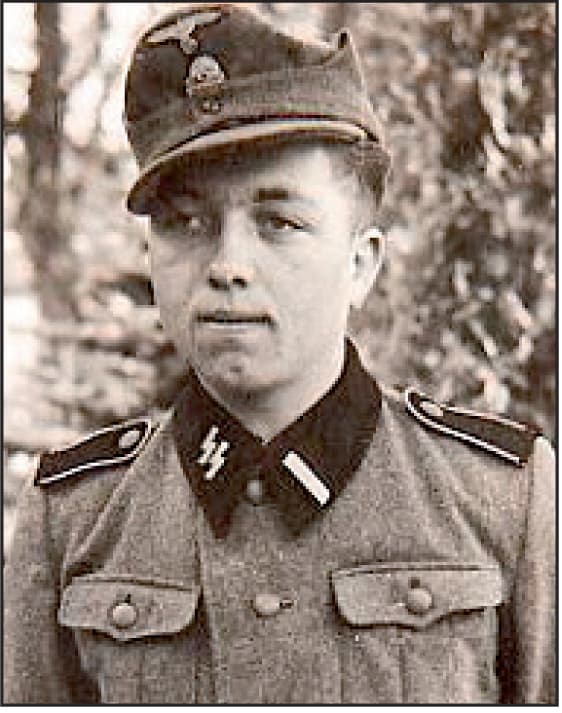
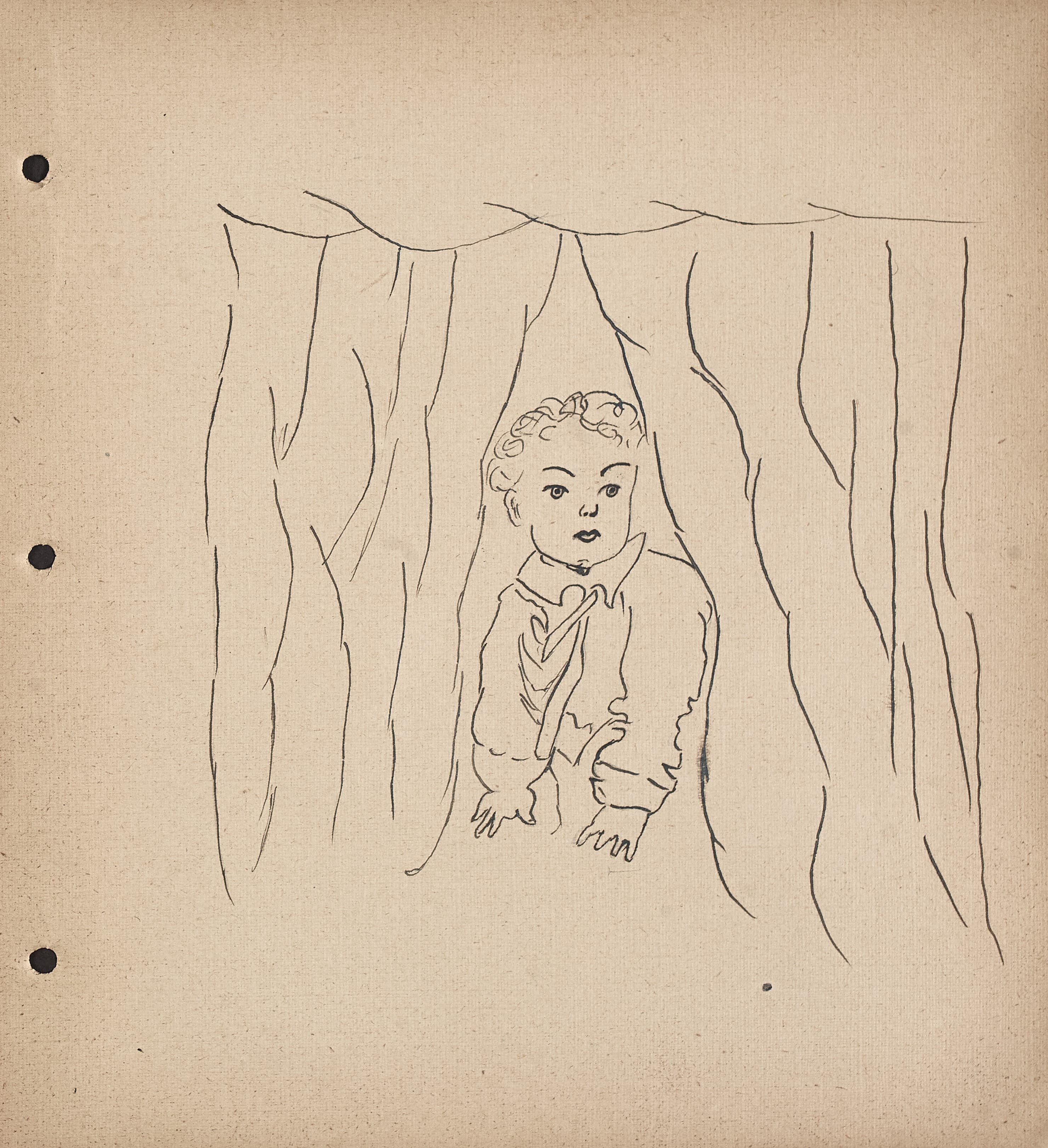
One prisoner never forgot Cultybraggan. Read the Heinrich Steinmeyer exhibit →
The full extent
Control & Record
Cold War — a different kind of threat
.jpg&w=3840&q=75)
The museum is housed in the brick secure accommodation block. Original cell doors survive inside, alongside objects, photographs, documents and recorded accounts connected with the camp.
Displays in a nearby Nissen hut consider daily life from the perspectives of prisoners and British personnel. A collection of prisoner drawings is shown with personal accounts and material recovered from the site.